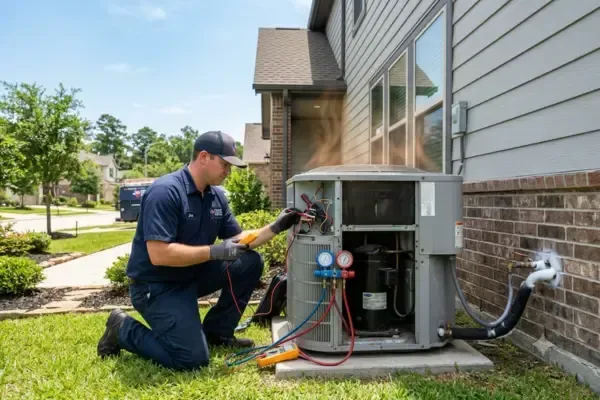
How to Know If Your AC Compressor Is Bad
How to Know If Your AC Compressor Is Bad
When Texas Heat Pushes Your AC to Its Limits
If you live in Houston or Pasadena, TX, you already know how intense the summer heat can be—especially when high temperature days and humidity push your system to its limits. Your AC unit isn’t just about comfort; it’s critical for maintaining safe indoor air and a livable home. So when your system stops producing cool air and starts blowing hot air, that’s often one of the first signs something is wrong. Whether it’s insufficient cooling, rising room temperature, or strange noises coming from your system, these are clear warning signals that shouldn’t be ignored. The last thing any homeowner wants during a Houston heat wave is a breakdown caused by deeper AC compressor problems.
One of the most serious causes behind these various problems is AC compressor failure. The compressor is responsible for the entire cooling process, moving liquid refrigerant and converting it into high-pressure gas to allow proper heat exchange. In simple terms, it’s what makes your system cool your home instead of just circulating warm air. A properly functioning compress or keeps your system balanced, but a faulty compressor or bad compressor can disrupt the entire process. Issues like low refrigerant levels, compressor oil breakdown, oil leaks, or even physical damage to internal parts can cause major performance loss. When the compressor begins to fail, your system may draw too much power, struggle to move air through the blower fan, or stop working entirely. In extreme cases, damaged electrical components can even pose a risk of an electrical fire.
At Brown Air Conditioning & Heating, we’ve seen firsthand how quickly small issues turn into major issues when ignored. From worn AC components and failing compressors to overheating in the outdoor air environment, Houston systems face constant stress. Just like a car’s air conditioning system relies on a working compressor and proper engine power, your home’s air conditioner compressors must be in top shape to perform under pressure. Without proper maintenance, even a newer system can experience early failure, sometimes leading to the need for a costly new compressor or full replacement.
The good news is that recognizing the signs of a failing AC compress or early can save you time, money, and discomfort. A common sign of a bad AC compressor includes loud or unusual sounds, poor airflow from the indoor unit, or inconsistent cooling throughout your home. These issues often start small but quickly escalate if not addressed by qualified technicians.
In this guide, we’ll break down how AC compressor work actually functions, what causes these failures, and how to spot problems before they get worse. We’ll also walk you through simple steps you can take yourself, when it’s a good idea to call for help, and how to protect your system long-term.
Why This Happens: AC Compressors vs. Texas Conditions
AC compressors in Houston face extreme stress due to relentless Texas conditions. High outdoor temperatures, humidity, and long run times force the compressor to work harder to maintain cool air indoors. This increases pressure within the system, affecting refrigerant gas flow and heat exchange. Dirty condenser coils, low refrigerant levels, and restricted airflow can cause overheating and reduce efficiency. Over time, this strain leads to electrical problems, excessive energy consumption, and eventual AC compressor failure. Without regular maintenance, even a properly functioning compressor can become a bad compressor, especially during peak summer heat when systems operate under maximum demand continuously.
1. Long Run Times
During extreme heat, your system may run continuously for hours. This constant operation increases wear on the compressor and other components.
2. High Humidity
Humidity forces your system to work harder, increasing strain on the compressor and the entire cooling system.
3. Lack of Regular Maintenance
Skipping regular maintenance leads to dirty condenser coils, restricted airflow, and overheating—all of which can damage the compressor.
4. Electrical Problems
Loose wiring, voltage fluctuations, or failing components can cause electrical problems that impact compressor performance.
5. Refrigerant Issues
Low refrigerant or refrigerant leaks can cause the compressor to overwork, leading to high pressure and eventual failure.
How to Know If Your AC Compressor Is Bad (Core Guide)
What Does the Compressor Do?
The compressor is the heart of your HVAC system, responsible for driving refrigerant flow and producing cold air to reach your desired temperature. It compresses refrigerant and sends it through the expansion valve and coils to remove heat. When problems occur, bad AC compressor symptoms may include rattling sounds, unpleasant sounds, lack of airflow, or lack of refrigerant. These AC compressor issues often stem from damage to the compressor’s internal components. Ignoring them can lead to costly repairs or even a complete system breakdown. Regular HVAC maintenance—even checking your cabin air filter—helps reduce the severity of the issue.
Signs Your AC Compressor Is Failing
Recognizing early signs your AC compressor is failing can prevent damage to your entire system. Common indicators include warm air instead of cool air, reduced airflow, and unusual or loud noises coming from the unit. You may also notice the system struggling to maintain temperature or running constantly. Ice forming on the evaporator coil or refrigerant lines is another warning sign. Frequent circuit breaker trips and rising energy bills can also point to compressor issues. If left unchecked, these problems can quickly escalate, affecting the entire system and leading to a complete breakdown during extreme Texas heat.
1. Warm Air Instead of Cool Air
If your system is running but only blowing warm air, your compressor may not be properly circulating refrigerant.
2. Unusual or Loud Noises
Listen for:
Grinding
Rattling
Buzzing
These unusual noises or loud noises often indicate internal compressor damage.
3. Outdoor Unit Not Turning On
If your outdoor unit isn’t running, the compressor may not be receiving power—or it may have failed completely.
4. Tripped Circuit Breaker
A failing compressor can draw excessive power, causing the circuit breaker to trip repeatedly.
5. Reduced Cooling Performance
Your system may still run but struggle to maintain temperature.
6. High Energy Consumption
If your energy bills suddenly spike, your compressor may be working harder than normal.
7. Refrigerant Leaks
Leaks in suction lines or other areas reduce system pressure and strain the compressor.
8. AC Won’t Turn On
A completely failed compressor can prevent your system from starting.
What Homeowners Can Do First
Before calling a technician, try these simple steps:
Quick Checks:
Check the circuit breaker
Inspect the outdoor unit
Replace air filters
Listen for unusual noises
Check thermostat settings
These steps can rule out minor issues.
When to Call a Professional HVAC Technician
Call a professional if:
You suspect AC compressor failure
You hear loud or unusual noises
The system won’t cool
Breakers keep tripping
You notice refrigerant leaks
A technician will inspect:
Compressor clutch
Electrical components
Refrigerant levels
System pressure
Prevention: Protecting Your AC Compressor
1. Regular Maintenance
Routine inspections prevent:
Dirty condenser coils
Refrigerant issues
Electrical failures
2. Keep Outdoor Unit Clean
Ensure airflow around your outdoor unit.
3. Monitor System Performance
Watch for early signs of trouble.
4. Address Issues Early
Fixing small problems prevents major failures.
Why Houston Homeowners Trust Brown Air Conditioning & Heating
At Brown Air Conditioning & Heating, we provide:
Honest service
Reliable repairs
Experienced technicians
No hidden fees
We understand Houston’s climate and what your system needs to perform.
Conclusion: Don’t Wait for a Total Breakdown
A failing compressor won’t fix itself. Acting early can save you from a full system replacement.
Call Brown Air Conditioning & Heating Today
Fast service
Trusted experts
Reliable repairs
📞 Schedule your service today and keep your home cool—even in Houston’s toughest heat.
