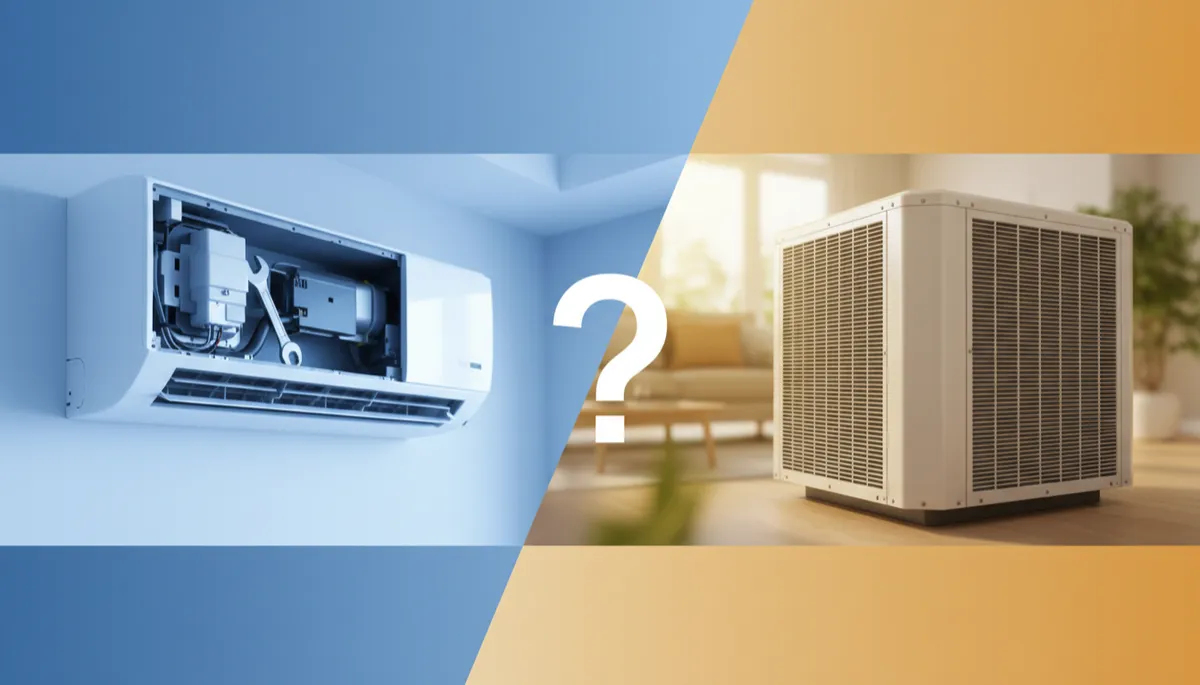
Repair or Replace Your AC Unit: Key Considerations
Home Maintenance, Air Conditioning
Should You Repair or Replace Your AC Unit?
When your air conditioner starts making strange noises or stops cooling the way it used to, you’re suddenly faced with a big question: should you repair it or replace it entirely? The right choice can save you hundreds, even thousands, of dollars over the life of your system, so it’s worth taking a closer look before you decide.
Start with the Age of Your AC Unit
Most central air conditioners last around 10 to 15 years with proper maintenance. If your system is under 10 years old and has been reliable, a repair often makes sense. Parts are usually still available, and newer units tend to be more efficient than models from decades past, so you’re likely still getting decent performance for what you pay in energy bills.
Once your AC passes the 10-year mark, the repair-or-replace decision becomes less obvious. Around this age, major components—like the compressor, evaporator coil, or blower motor—are more likely to fail. If your unit is 15 years or older, replacement is usually the smarter long-term choice, especially if you’re already noticing rising energy bills or uneven cooling throughout your home.
The 5,000 Rule: A Simple Cost Comparison
Homeowners often struggle to compare the cost of a repair with the cost of a new system. One simple rule many professionals use is the 5,000 rule. Multiply your AC’s age by the quoted repair cost. If the total is more than 5,000, replacement is usually the better investment. If it’s less, a repair may be reasonable.
For example, if your 8-year-old unit needs a $400 repair, 8 × 400 = 3,200, which suggests a repair is sensible. But if your 13-year-old unit needs a $600 repair, 13 × 600 = 7,800, hinting that you may be throwing good money at an aging system that will likely need more work soon. This rule isn’t perfect, but it gives you a practical starting point for your decision.
Consider Energy Efficiency and Monthly Bills
Even if your older AC still runs, it may be quietly draining your wallet. Newer systems are significantly more efficient than models from 10–15 years ago. They use less electricity to produce the same amount of cooling, which can lead to noticeable savings on your energy bills, especially during long, hot summers or in warmer climates where the AC runs for much of the year.
If you’ve seen your utility costs creeping up while your comfort level is going down, that’s a strong sign your system is losing efficiency. In this case, replacing your AC can be viewed as an investment rather than just an expense. Over several seasons, lower operating costs can offset a substantial portion of the price of a new unit, especially if you choose a high-efficiency model and keep up with regular maintenance.
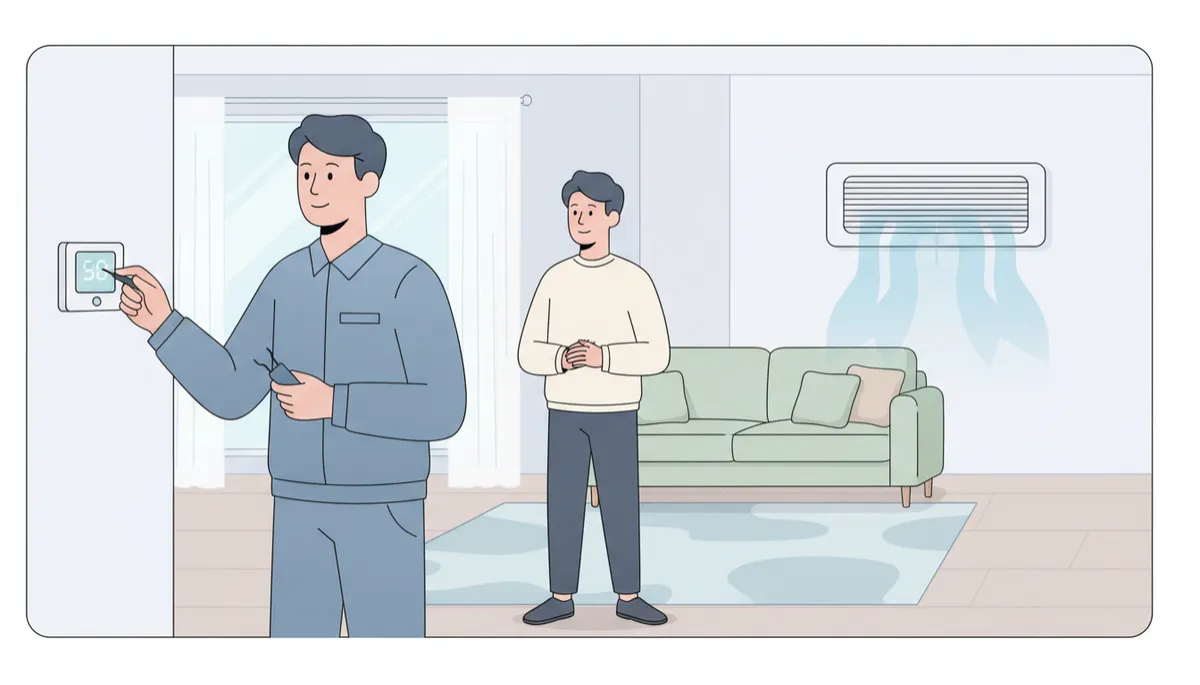
Tracking comfort and energy bills together reveals when an AC is quietly wasting money.
How Often Are You Calling for Repairs?
A single, straightforward repair—like a capacitor replacement or a clogged drain line—doesn’t necessarily mean you need a new system. However, if you’re scheduling service visits every summer, or even multiple times in one season, that pattern is a red flag. Frequent breakdowns usually point to an underlying issue with aging components or an AC that’s struggling to keep up with your home’s cooling demands.
Beyond the cost of each repair, there’s also the stress and inconvenience of surprise breakdowns—especially during heat waves when HVAC companies are busiest. If your AC has become unreliable, replacing it can bring peace of mind, more consistent comfort, and a new warranty that protects you from major repair bills for several years.
Comfort, Noise, and Air Quality Matter Too
Your decision shouldn’t be based on dollars alone. Think about how your AC feels day to day. Are some rooms always too warm while others are freezing? Does the system run constantly without ever reaching the temperature you set? Is it so noisy that you turn up the TV every time it kicks on? These are signs your current unit may be undersized, poorly matched to your home, or simply past its prime.
Modern systems often provide better humidity control, quieter operation, and improved filtration options that can help with dust and allergens. If you or a family member has allergies, asthma, or other respiratory concerns, upgrading your AC and indoor air quality components can make a noticeable difference in how you feel at home, especially during peak cooling season when windows stay closed.
When Repair Is the Right Choice
In many situations, repairing your AC is the most practical option. Repair is usually best when:
The unit is less than 10 years old and has a solid service history.
The repair is relatively minor and inexpensive compared to replacement.
Your energy bills and comfort levels are still acceptable.
You plan to move soon and don’t want to invest in a full system upgrade.
When Replacement Makes More Sense
Replacement becomes the better long-term choice when you’re facing major repairs on an older unit, or when ongoing issues are affecting your comfort and budget. Consider replacement if:
Your AC is over 10–15 years old and needs expensive parts like a compressor.
You’re dealing with frequent breakdowns or unreliable performance every season.
Energy bills are high and your home still doesn’t feel consistently comfortable.
You want quieter operation, better air quality, or advanced features like smart controls.
Talk to a Trusted Professional Before You Decide
Every home and system is different, so the right answer to “Should I repair or replace my AC?” depends on your specific situation. A reputable HVAC professional can inspect your unit, review its service history, and provide clear repair and replacement estimates so you can weigh the true costs and benefits of each option. Ask about warranties, expected lifespan, and potential energy savings from a new system.
In the end, your goal is a home that feels comfortable, safe, and affordable to cool. By considering your AC’s age, repair history, efficiency, and everyday comfort, you can make a confident choice—whether that means squeezing a few more years out of your current unit or enjoying the reliability and peace of mind that come with a brand-new system.
